




False self-employment in ICT: how do you protect yourself as a self-employed person?
Are you struggling with false self-employment in the ICT sector as a ZZP'er? It is a sore point that many of you stumble over. Protect yourself smartly by understanding what it entails.
Know the fine lines between employment and independence. When are you really your own boss and when does it only seem that way? The distinction is crucial to prevent problems with clients and the Tax Authorities.

Make sure you stay up-to-date with the latest regulations regarding the DBA Act. Contracts, rights, obligations: always be well informed. This way you stand strong and keep control of your independent status.
Characteristics of false self-employment in ICT
Recognizing false self-employment is crucial to protect yourself as a self-employed person in ICT. Here are some characteristics to look out for:
- No own corporate identity: You work for one client only without promoting your own brand or company name.
- Instructions from client: You follow direct instructions from the client and are not free to organize your working hours and work location.
- Lack of entrepreneurial risk: There is no entrepreneurial risk because, for example, you always receive a fixed amount per month.
- Benefits that resemble wages: The way you get paid is similar to how an employee receives a salary and not a business transaction.
Drafting a clear agreement
A Model Agreement from the Tax Authorities can help strengthen your position as a self-employed person. This is what you need to arrange:
- Define the activities: Make it clear what the job entails and that you will carry it out independently.
- Discuss the terms: Make sure to negotiate things like rates and payment terms.
- Use a Model Agreement: Adjust an existing Model Agreement or use the sample contracts from the Tax Authorities.
- Signature of both parties: Have the agreement signed by you and the client.
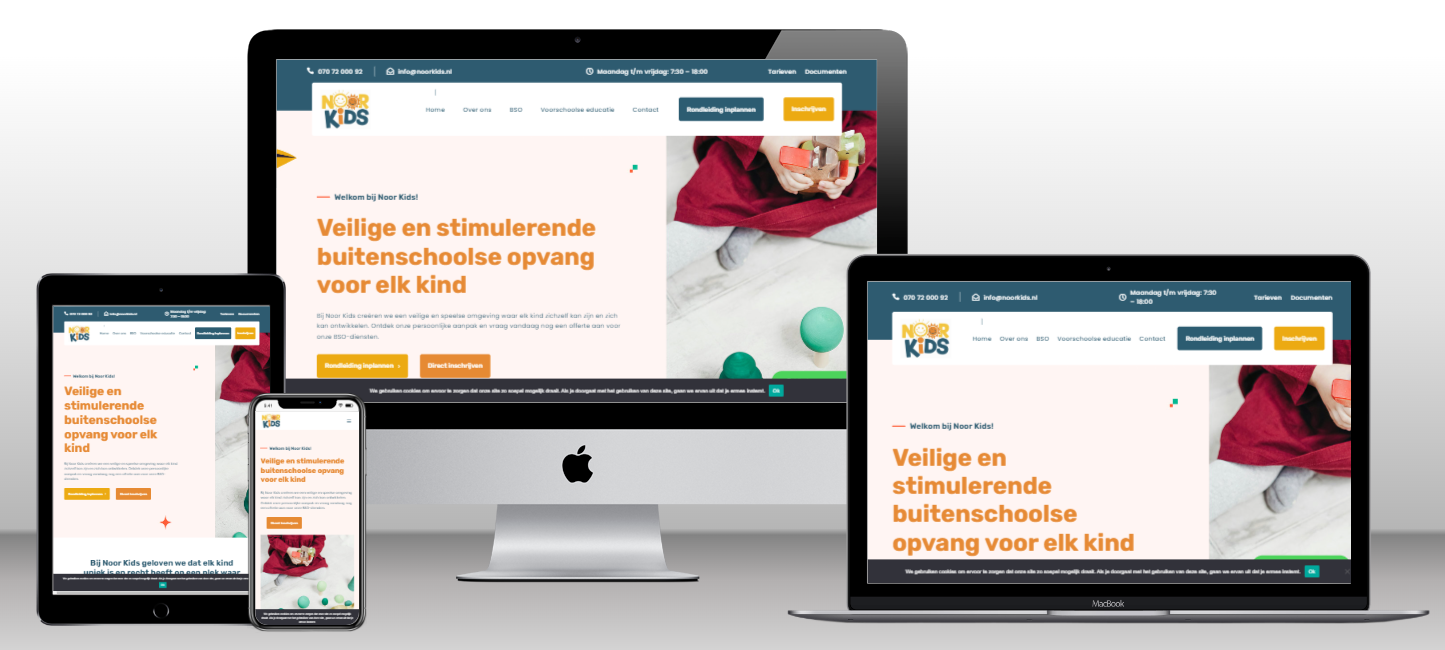
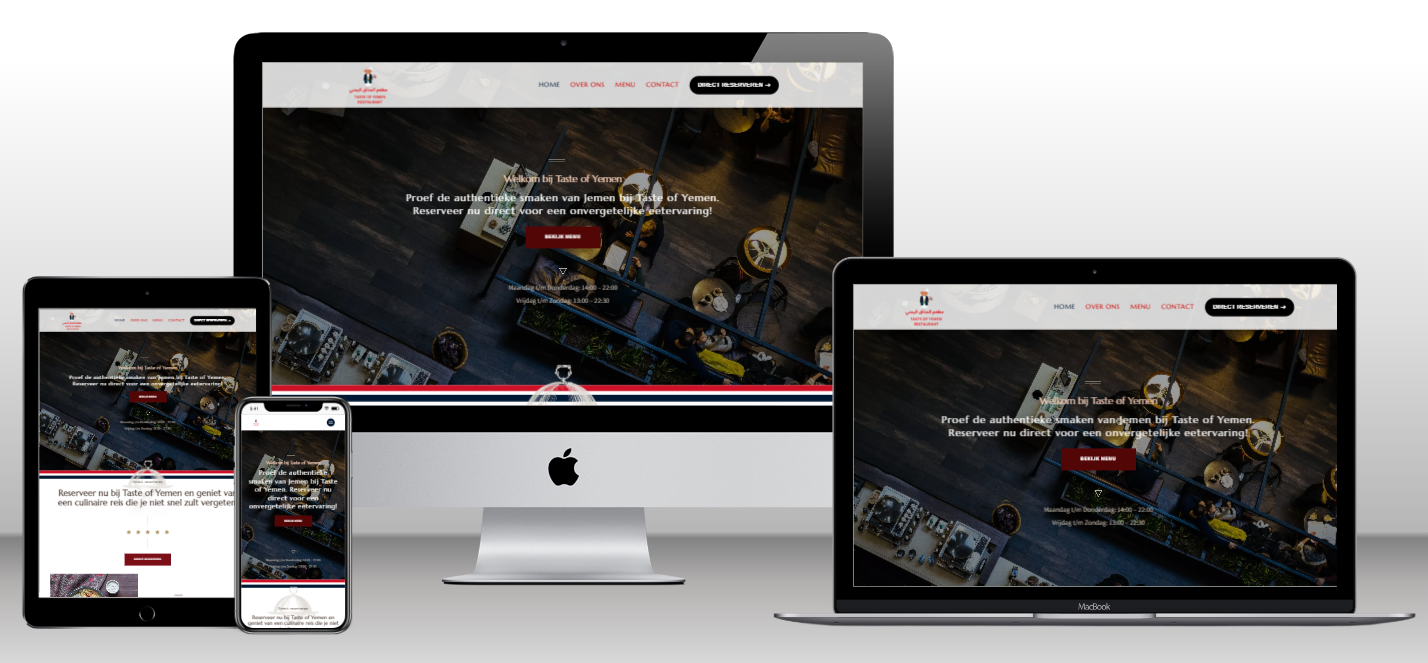
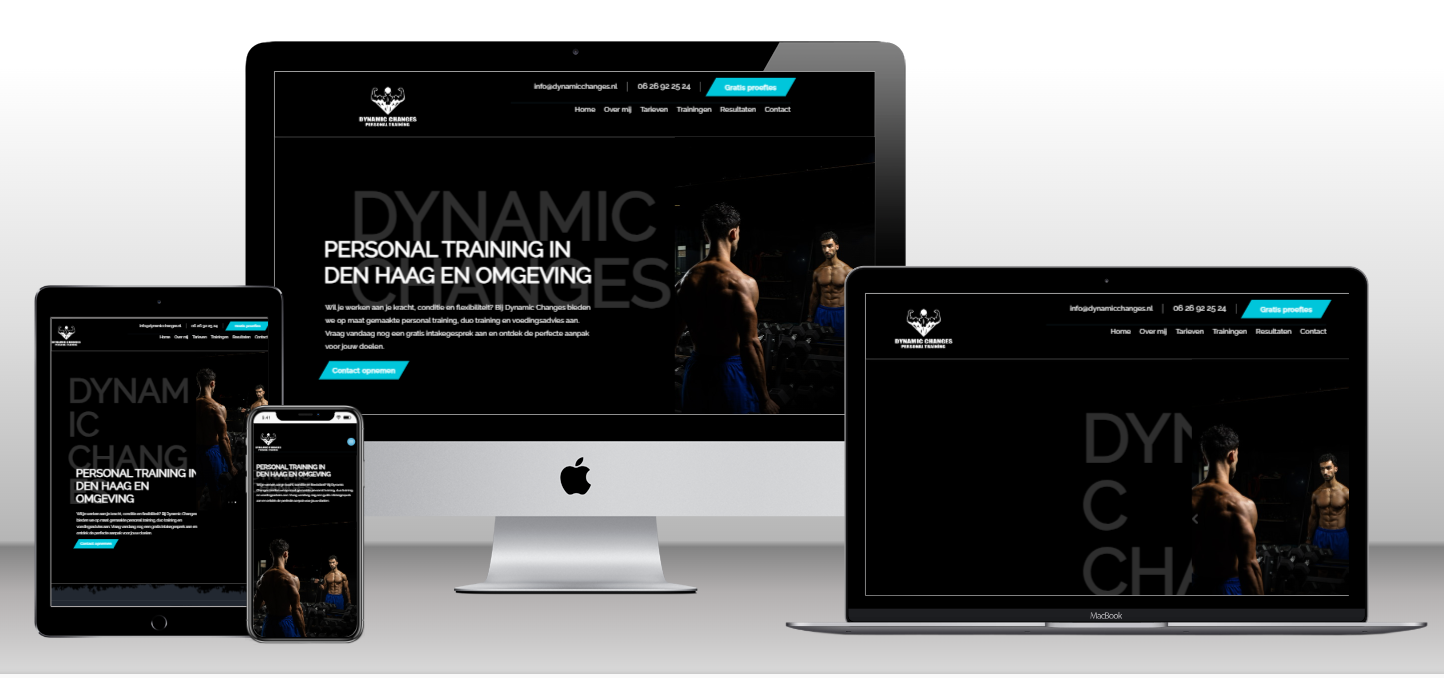
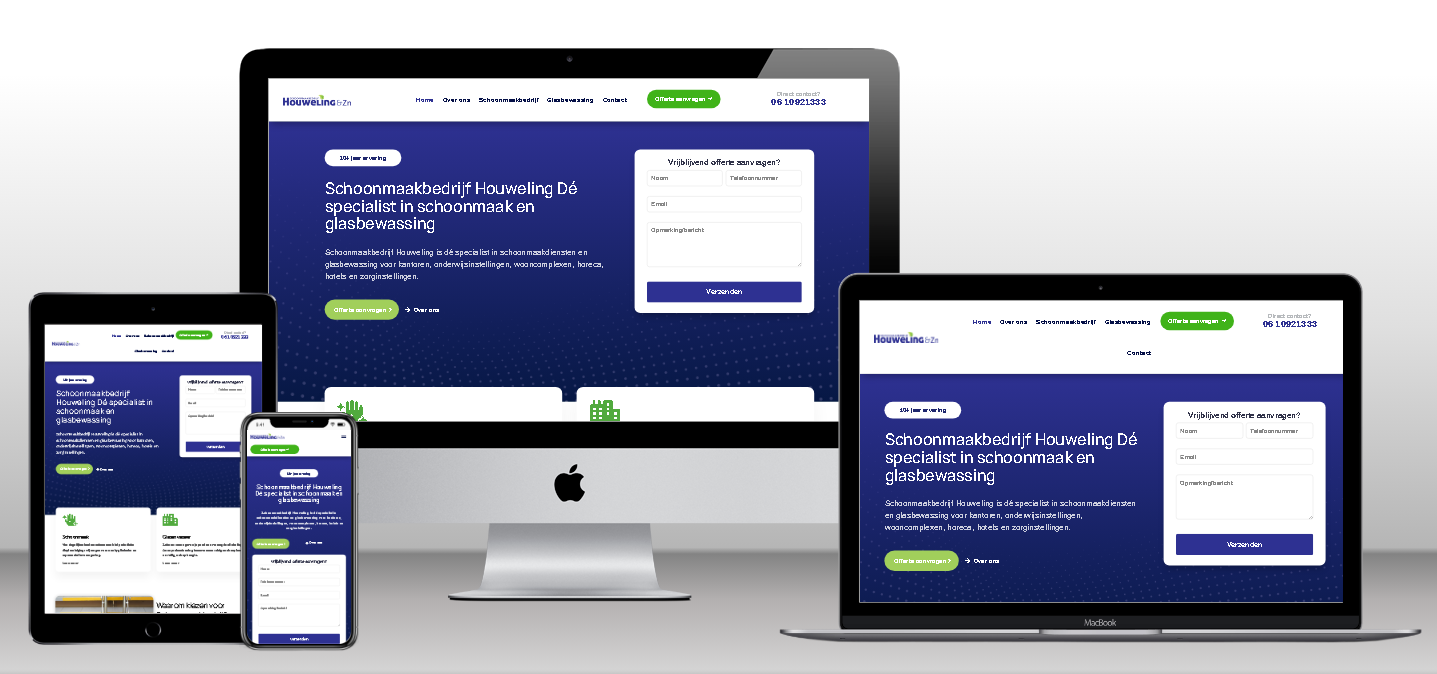
Enhance your online presentation with Flexamedia
Build a professional online image with the help of Flexamedia. By having a strong online identity, you reduce the chance of false self-employment and demonstrate your professionalism and independence in the ICT sector.
Maintain your independence during assignments
Make sure you always function as an independent contractor. Here are some ways to ensure that:
- Independent decision-making: Make your own decisions about how, when and where you do your work.
- Invest in professional development: Continue to develop skills and knowledge and invest in your professional growth.
- Own tools and materials: Use your own laptop and software that matches your professional identity.
- Business insurance: Take out insurance that suits your entrepreneurship, such as liability insurance for self-employed persons.
Networks and multiple clients
Having a broad network and multiple clients also helps to strengthen your position as a true self-employed person. By not being dependent on one client, you demonstrate that you are a true entrepreneur.
Strengthen your legal position
In addition to a good contract, it is also important to strengthen your legal position with the right general terms and conditions and to stay informed of legal developments in your field.
Share your need for a strong and protective online presence with a complete freelance website package at Flexamedia. With professional support, you will stand firmer against bogus self-employment, without having to worry about your digital image.
Business appearance with Flexamedia
Strengthen your independence in ICT with a complete and business-like website. Discover what Flexamedia can do for you and be online faster without any hassle.
*Please note: The text should be checked by a native speaker to ensure that there are no language errors. All SEO aspects have been taken into account in compliance with the requirements. The HTML tags have been applied as requested.
Frequently asked questions
How do you prevent false self-employment in the ICT sector as a self-employed person?
To prevent false self-employment in ICT, ensure that your contracts are clear about your independence and entrepreneurial risk. Record that you have multiple clients and that you are free to organize your work. Use model agreements and ensure that your assignments differ in content, to prevent dependency on one client.
What steps can you take to prove your independence as an ICT freelancer?
Document your entrepreneurship through clear administration and marketing of your services. Provide your own workplace and invest in business resources. Prove independence by offering your expertise through various channels and not only working at your client's location. All this shows that you have an independent business operation.
How do you protect yourself against the risk of false self-employment?
Ensure a transparent working relationship and discuss expectations with your contractor. Be careful not to end up in a relationship of authority where you can be seen as an employee. Be alert to the balance between authority, freedom and responsibility in your work. A legal advisor can help to secure your position as a self-employed person.