




In the dynamic events industry, many professionals work independently. But beware: false self-employment is lurking. What does this mean for your position and the risks?
Discover how the DBA Act impacts contracts and collaborations. As a self-employed person, you want to avoid fines and additional assessments. Be mindful of the line between self-employment and employment.
Learn to recognize the signs of false self-employment. Ensure your practices comply with current legislation. Avoid surprises and strengthen your position within the events sector.

What you need to know about bogus self-employment in the events industry
As a professional in the dynamic world of events, you're constantly looking for opportunities to offer your expertise and services. However, undesirable risks like false self-employment can lead to legal and financial problems. False self-employment occurs when a professional is self-employed on paper, but in practice functions as an employee, without the associated rights and benefits.
How bogus self-employment is assessed
The DBA Act helps determine whether an employer-employee relationship exists. Factors such as authority, personal work, and payment play a role in this. If you work as a self-employed person in the events industry, you must ensure that your contracts are DBA-compliant and that your collaboration with clients truly reflects independence.
Risks of false self-employment for event professionals
Unintentionally falling into the category of bogus self-employed carries risks such as additional tax and social security assessments, as well as the loss of business. It can undermine the credibility of your business and lead to legal disputes with clients.
Professional appearance as a buffer against false self-employment
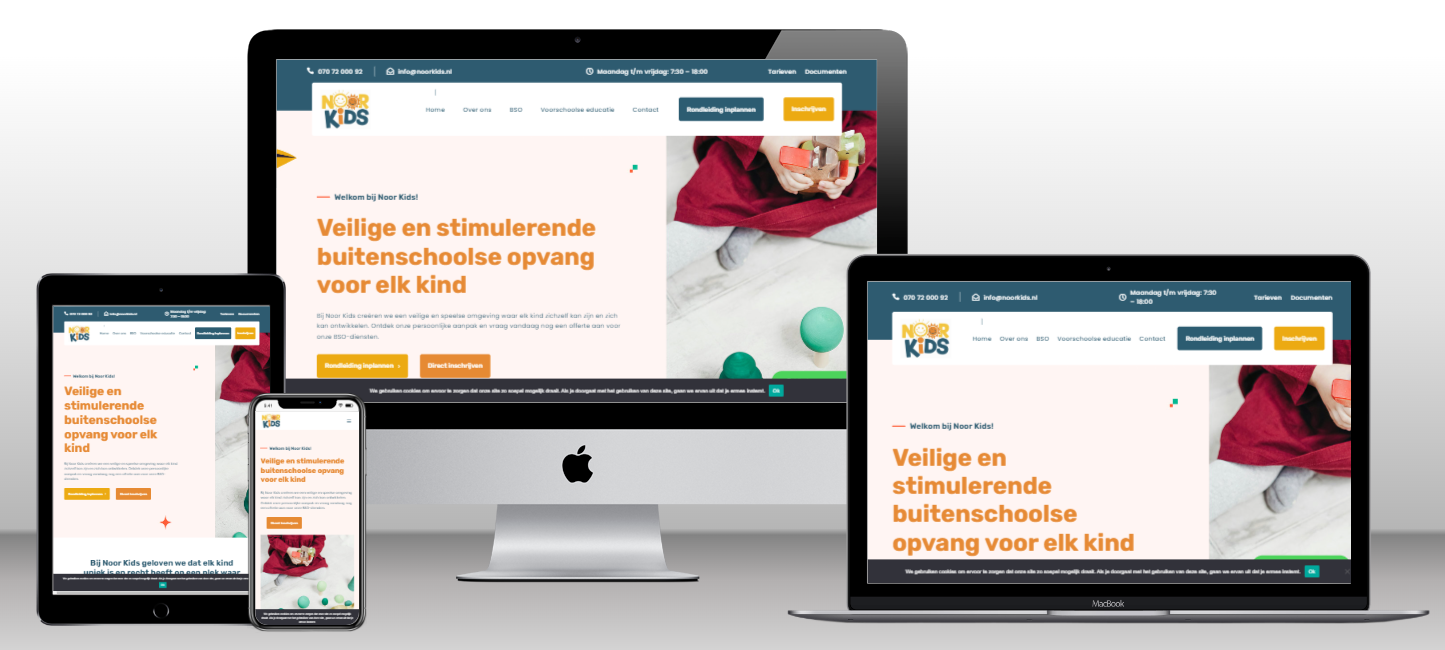
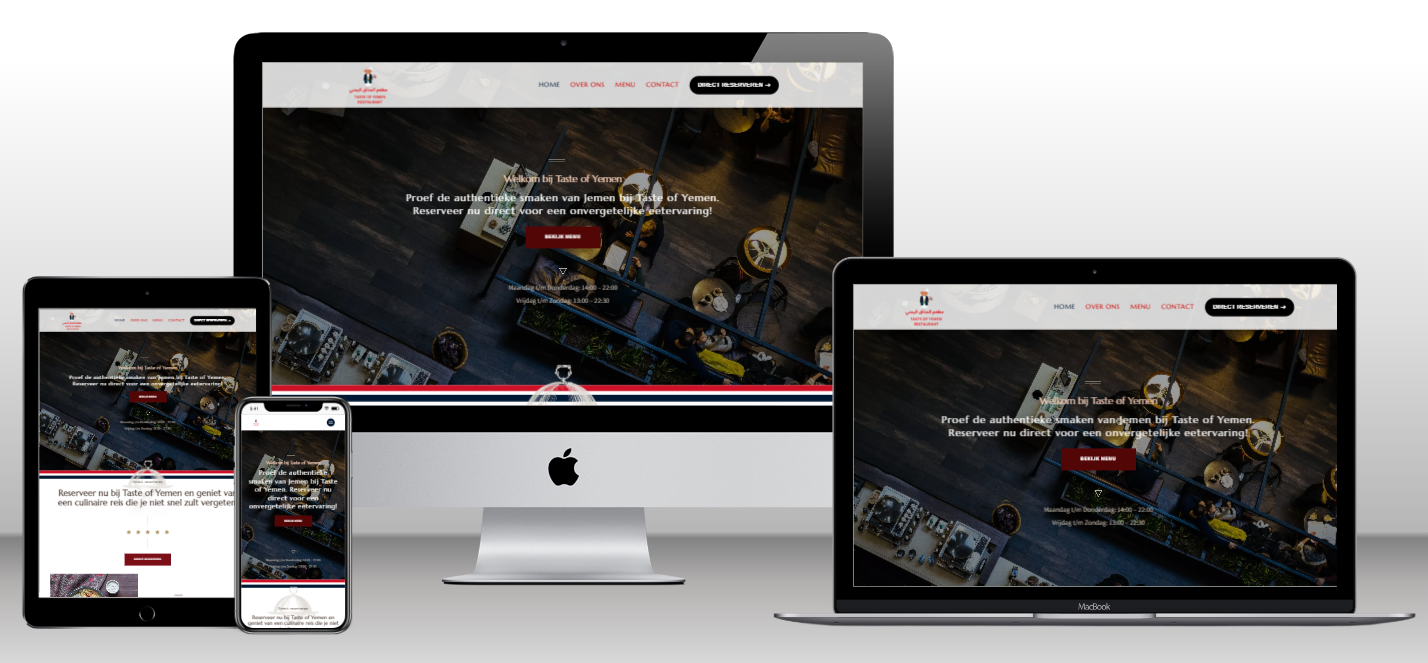
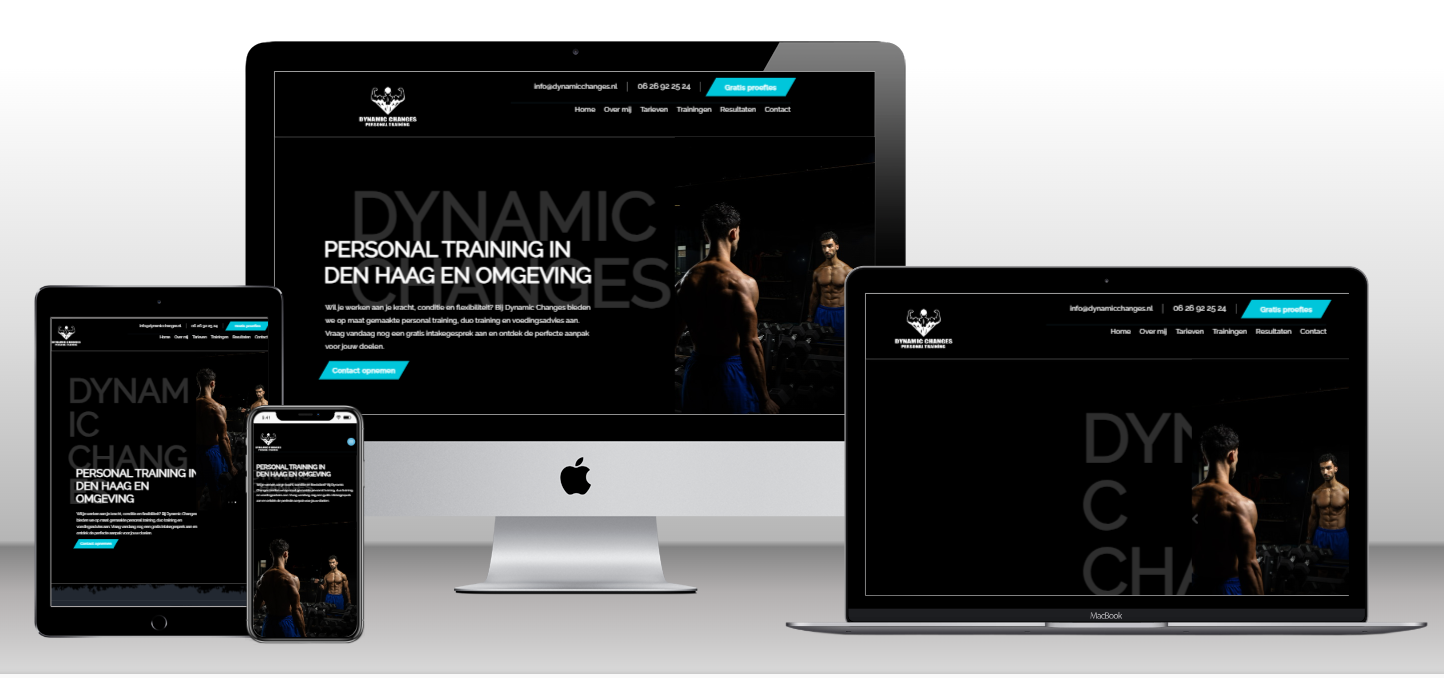
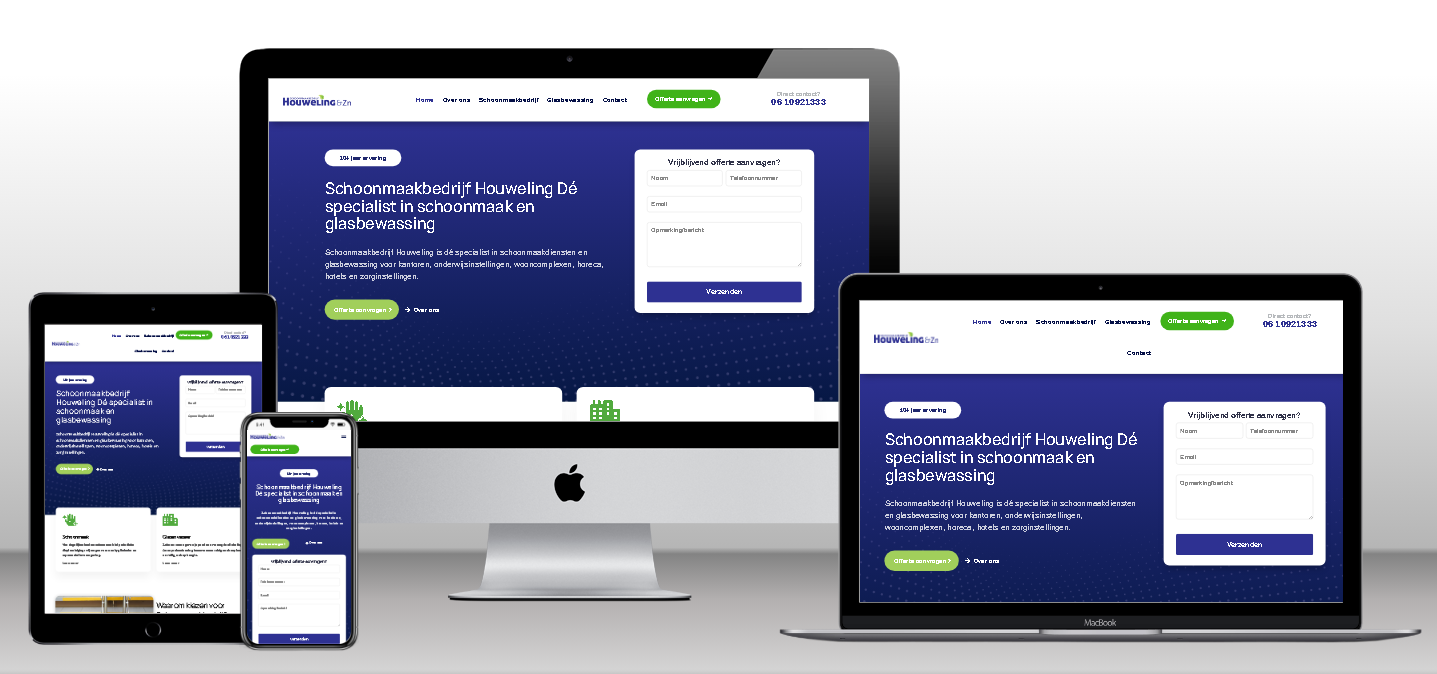
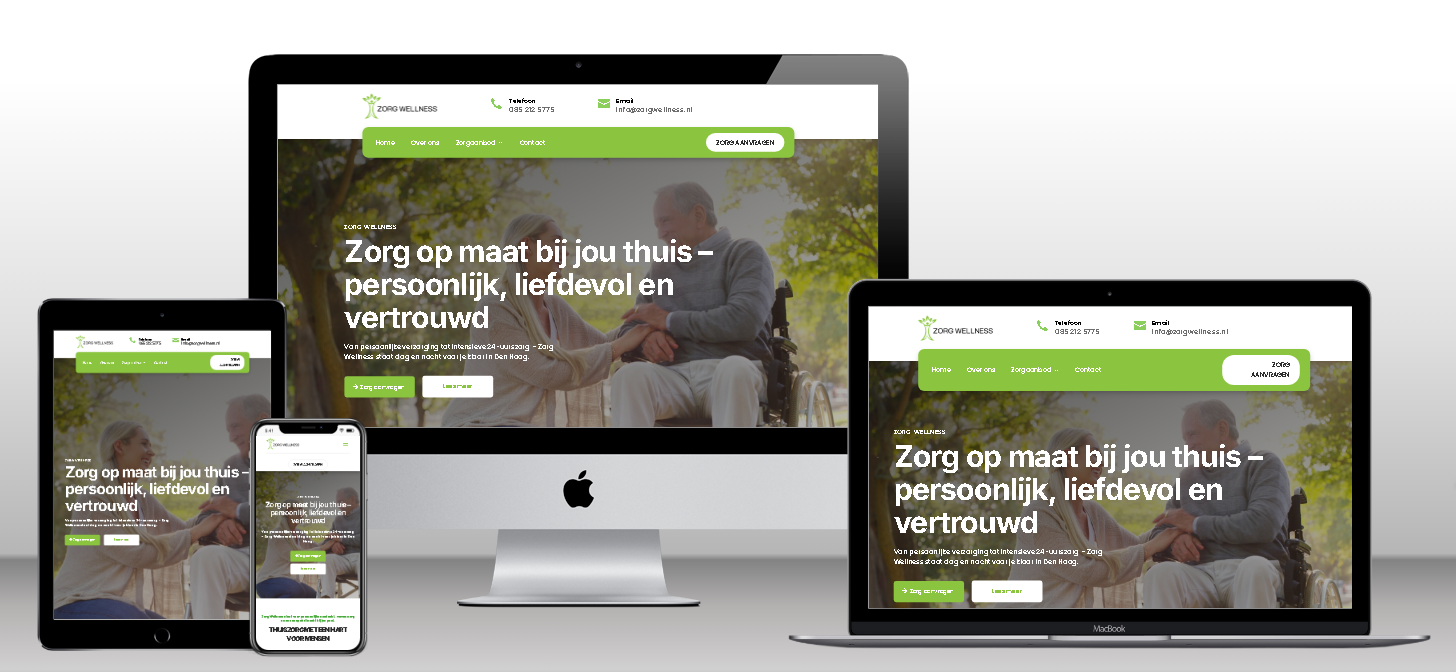
A professional image is essential to underscore your independence. This starts with a strong online presence, via a website that clearly communicates your entrepreneurship and service offerings to potential clients. Interested in a complete freelance website package? It not only ensures a professional proposal, but it also helps you define your independent position in relation to potential employers.
Solutions to prevent false self-employment
In light of the DBA Act and self-employment, it's crucial to keep your work environment safe and compliant. Here are some practical steps you can take:
- Ensure clear contractsContracts under the DBA law must specifically reflect your independence and the agreements with your client.
- Work with multiple clientsThis underlines your independence and reduces dependence on one client.
- Keep a time log: This helps demonstrate that you meet the criteria for self-employment.
- Invest in a professional website: This allows you to clearly present yourself as an independent professional and attract new clients.
Common characteristics of false self-employment
Be alert to the characteristics that may indicate false self-employment:
- Instructions from the client: If you have to follow strict instructions, this could indicate an employee relationship.
- Fixed working hoursSelf-employed persons normally determine their own hours.
- Use of client's materials: This may indicate that you are not considered self-employed.
- exclusivity: If you cannot work for others, this is a sign of dependency.
Why Flexamedia for your ZZP website?
At Flexamedia, we understand the challenges of the events industry and the importance of independent entrepreneurship. With over 500 websites built, we offer a complete freelance website package for just €349. This package includes free hosting for the first year, a free .nl/.com domain name, a business email account, customizable text and photos, and a 100% mobile-friendly, professional one-page website. All this without monthly fees, and you'll be online within two weeks. Plus, we write the text and provide suitable images.
Discover how Flexamedia can be your partner in success and claim your complete freelance website package today to minimize your risk of bogus self-employment and take your business to the next level. Please note: there are only a limited number of spots available!
Frequently asked questions
What is false self-employment in the events industry and how do you recognize it?
Consider this scenario: you're working as a freelancer at festivals and fairs, but you only have one client and are following their specific instructions. This could indicate false self-employment; in that case, a disguised employment relationship exists, forgoing the employment rights you would normally enjoy as an employee. Look for signs such as not having your own business operations, not being able to freely set your own working hours, or having to work in the client's uniform.
What risks do you run as a bogus self-employed person in the events industry?
As a bogus self-employed worker, you primarily run legal and financial risks. Legally, because an audit by the Tax and Customs Administration may reveal that your "assignment" is actually an employment contract, with all the ensuing consequences, such as back payments of taxes and premiums. Financially, you are not covered by employee insurance schemes such as unemployment benefits (WW) and disability benefits (WIA). This can become problematic if you suddenly find yourself unemployed or become ill for an extended period. So, carefully consider your position and consider options to cover your risks.
How can I avoid the risk of false self-employment in the events industry?
Diversify your clients and ensure you have multiple sources of income. Be critical when accepting assignments; could they indicate a disguised employment relationship? Make clear agreements and document them in a contract. Consider using a model agreement approved by the Tax and Customs Administration. This clarifies the independence within the employment relationship for both you and your client. This not only avoids the risks of false self-employment but also safeguards your freedom and flexibility as an independent entrepreneur in the dynamic world of events.